
Whether you’re heading home after a dinner out or managing a fleet of drivers as a transportation professional, understanding Texas’ legal alcohol limit is more than just smart — it’s essential. In a state known for its wide roads and long drives, drinking and driving laws are enforced with precision and zero tolerance for risk.
In this guide, we’ll break down the legal limits, how they vary based on age and license class, what BAC (Blood Alcohol Concentration) really means, and the penalties you can face if you’re caught driving under the influence in Texas.
What Is the Legal Blood Alcohol Limit in Texas?
The legal alcohol limit in Texas is measured by BAC — Blood Alcohol Concentration, which indicates the percentage of alcohol in your bloodstream. As of 2025, the limits are as follows:
| Driver Category | Legal BAC Limit |
| Standard drivers (21+) | 0.08% |
| Commercial drivers (CDL holders) | 0.04% |
| Drivers under 21 (Zero Tolerance) | 0.00% |
Let’s unpack what these numbers actually mean:
- A 0.08% BAC typically occurs after about 4 drinks for an average adult male (in 1 hour), but this varies based on body weight, metabolism, and other factors.
- CDL drivers (even off-duty in a commercial vehicle) can face harsher consequences for a lower BAC of 0.04%.
- Under 21? Any detectable alcohol in your system can lead to charges under Texas’ Zero Tolerance Law.
Penalties for Exceeding the Legal Limit in Texas
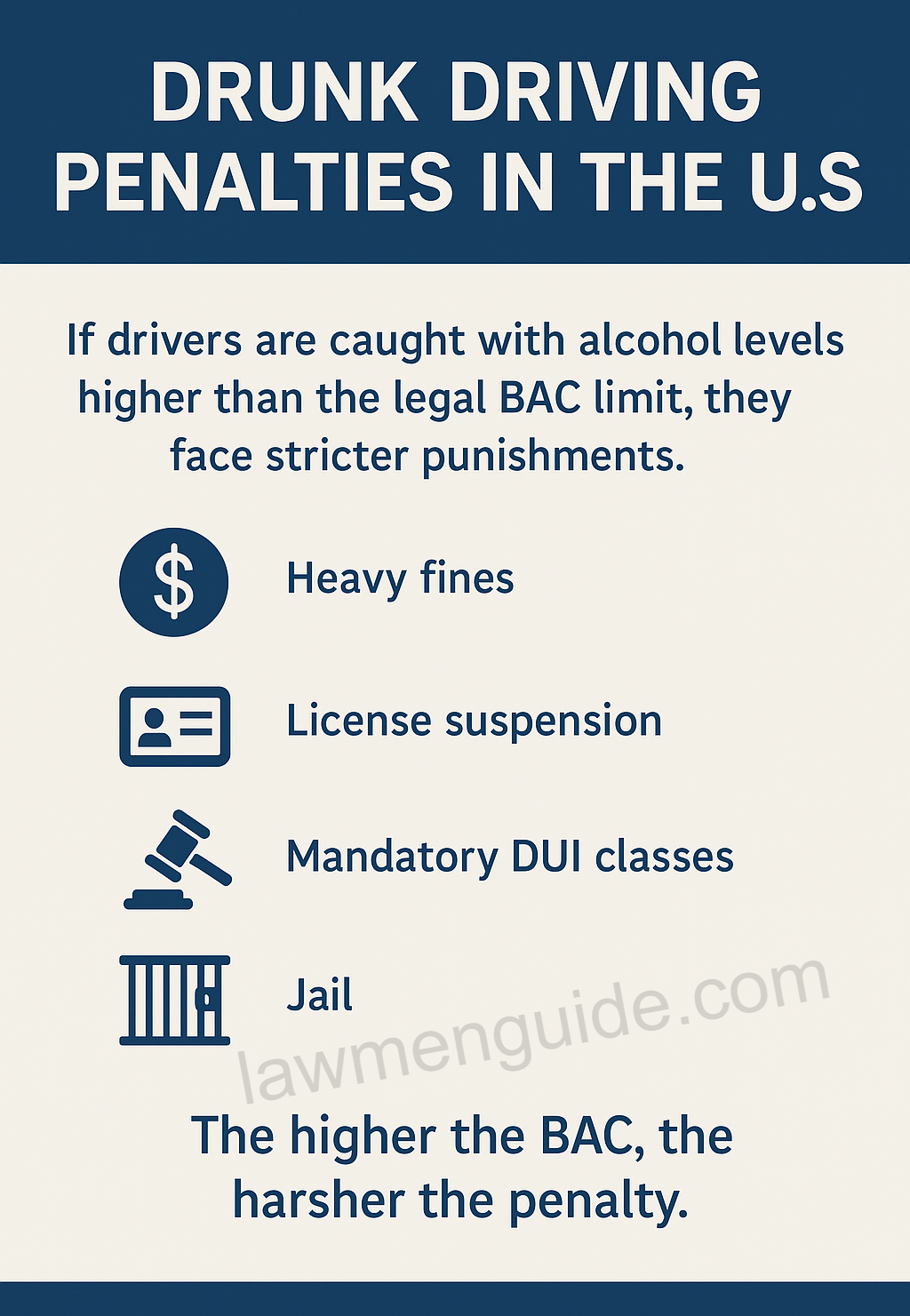
Driving above the legal alcohol limit is considered Driving While Intoxicated (DWI) in Texas. Here’s what you could be facing:
1st Offense (Standard Driver):
- Up to $2,000 fine
- 3 to 180 days in jail
- Up to 1-year license suspension
- Mandatory DWI education or intervention program
CDL Holder Offense:
- Immediate disqualification from commercial driving for at least 1 year
- Heavier fines, even if in a personal vehicle
- Potential job loss and insurance increases
Under 21:
- License suspension for 60 to 180 days
- Community service
- Mandatory alcohol awareness course
Repeat offenses can lead to felony charges, longer jail time, ignition interlock requirements, and license revocation.
Does One Drink Always Mean You’re Safe?
Absolutely not. BAC depends on:
- Your body weight
- The type and amount of alcohol consumed
- Time between drinks
- Whether you’ve eaten
- Your gender and overall health
Even if you’re under the legal limit, you can still be arrested if an officer determines your mental or physical faculties are impaired.
Open Container Laws in Texas
Texas law also prohibits open containers of alcohol within the passenger area of a vehicle. This applies to both drivers and passengers. Violating this is a Class C misdemeanor and can result in a $500 fine — even if your BAC is below the legal limit.
DUI vs. DWI: What’s the Difference in Texas?
In Texas:
- DWI (Driving While Intoxicated) is the more serious charge and applies when you’re above the legal limit or visibly impaired.
- DUI (Driving Under the Influence) is usually used for minors under 21 with any trace of alcohol in their system.
FAQs About Alcohol Limits in Texas
Can I refuse a breathalyzer test in Texas?
Yes, but… Texas has an implied consent law — refusing can lead to an automatic license suspension for up to 180 days and may be used as evidence in court.
Does Texas have a lower limit for repeat offenders?
Not a separate BAC limit, but repeat offenses face much steeper penalties, including possible felony charges and longer license suspension periods.
Can prescription drugs affect BAC?
No, but prescription or over-the-counter drugs can impair you and result in a DWI charge even if your BAC is under 0.08%.
Are DWI penalties harsher in school zones?
Yes. DWIs in school zones or with a child passenger under 15 are subject to enhanced penalties, including felony charges.
Final Thoughts
Understanding Texas’ legal alcohol limits is crucial whether you’re a weekend driver or a full-time commercial operator. With tough enforcement, strict penalties, and zero tolerance for underage drinking, staying informed helps you make safer choices — and keep your record clean.
If you plan to drink, plan not to drive. Use a rideshare, call a friend, or wait it out. Because in Texas, even one wrong decision can follow you a long way down the road.
- Sierra Mist Lawsuit : What’s Actually True And What’s Internet Rumor
- Ashcroft Capital Lawsuit: Investor Concerns and Legal Challenges Explained

- Edward jones kingsview advisors lawsuit: Everything You Need to Know

- Denver Restaurant Service Charge Lawsuit: A Comprehensive Guide to Dining Fees and Worker Rights
- Texas Renaissance Festival Lawsuit: What the $60M Forced Sale Means
- Capitol Plaque Lawsuit: Why Officers Are Suing Even After Installation