
Texas, known for its expansive highways and diverse terrains, has some of the highest speed limits in the United States. Understanding the state’s speed regulations is crucial for safe and lawful driving. This guide delves into the intricacies of Texas speed limits as of 2025, ensuring you’re well-informed whether you’re a resident or just passing through.
Overview of Texas Speed Limits
Texas’s speed limits vary based on road type, location, and specific conditions. Here’s a breakdown:
| Road Type | Maximum Speed Limit | Notes |
|---|---|---|
| Rural Interstates | 75–85 mph | 85 mph permitted on certain toll roads like SH 130 |
| Urban Interstates | 60–70 mph | Varies by city and traffic conditions |
| State Highways | 70–75 mph | Subject to engineering studies |
| Farm-to-Market Roads | 60–70 mph | Depends on road conditions and design |
| Residential Streets | 25–30 mph | Can be reduced to 20 mph in certain areas |
| School Zones | 20–25 mph | Active during school hours |
Maximum Speed Limits: Pushing the Boundaries
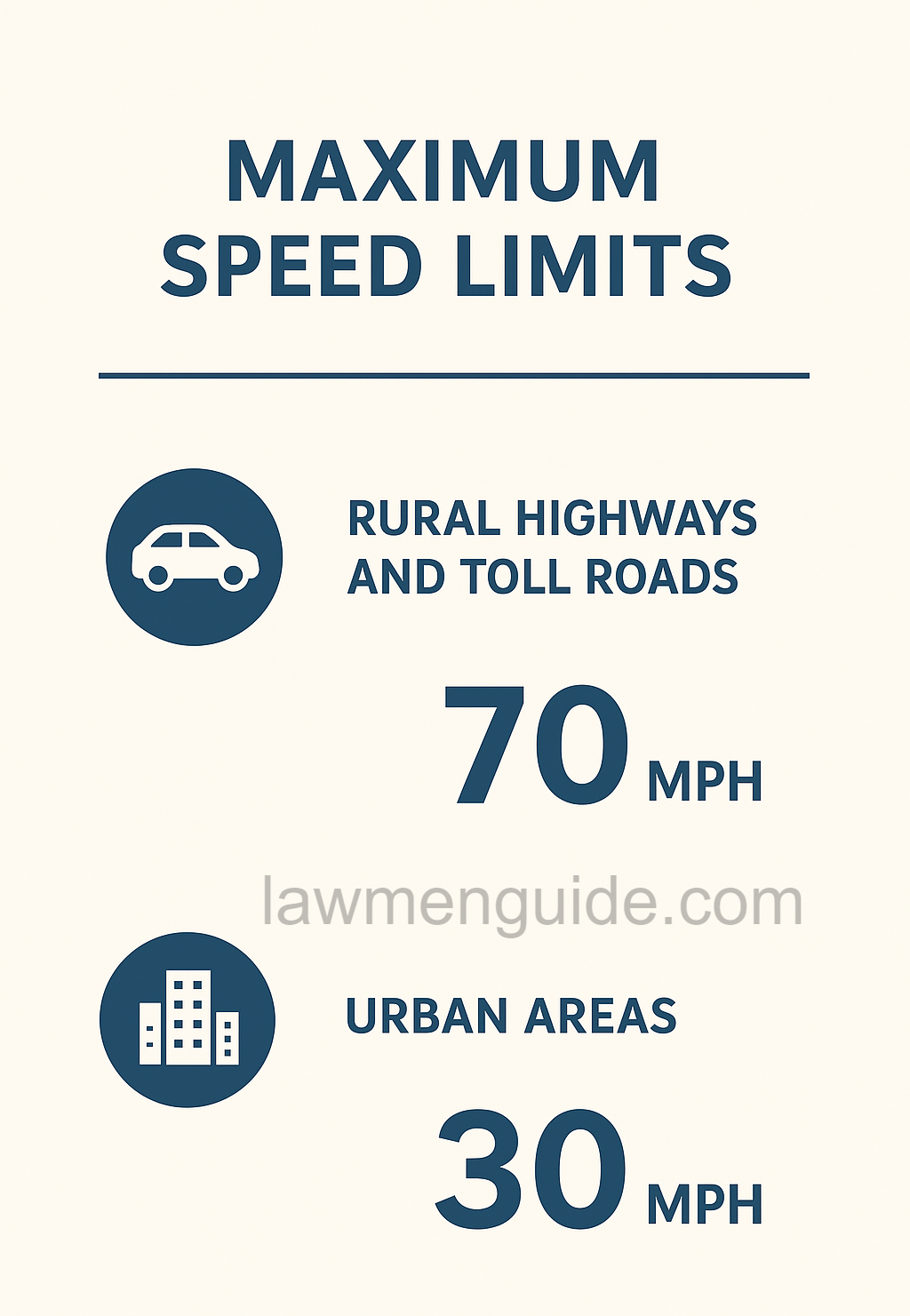
Rural Highways and Toll Roads
Texas boasts the highest posted speed limit in the nation: 85 mph on a 41-mile stretch of State Highway 130 between Austin and Seguin . Other rural interstates typically have limits ranging from 75 to 80 mph, depending on the results of traffic and engineering studies .motor1.comtxdot.gov
Urban Areas
In cities, speed limits are generally lower to accommodate higher traffic volumes and pedestrian activity. Urban interstates often have limits between 60 and 70 mph, while city streets range from 25 to 45 mph.
Variable Speed Limits: Adapting to Conditions
In response to changing road conditions, Texas has implemented variable speed limits in certain areas. These allow authorities to adjust speed limits temporarily due to factors like weather, construction, or accidents.
Key Points:
- Implementation: Variable speed limits are displayed using electronic signage.
- Conditions: Adjustments are made for fog, rain, ice, construction zones, and emergencies.
- Enforcement: Drivers must adhere to posted variable limits; violations can result in fine.
Residential and School Zones: Prioritizing Safety
Residential Streets
Recent legislation allows municipalities to lower speed limits to 20 mph in residential areas without conducting traffic studies . This aims to enhance safety in neighborhoods, especially for pedestrians and cyclists.
School Zones
Speed limits in school zones are typically set between 20 and 25 mph during school hours. Flashing lights and signage indicate active times, and strict enforcement ensures the safety of children.
Commercial Vehicles: Uniform Speed Limits
Unlike some states, Texas does not differentiate speed limits for commercial vehicles. Trucks and passenger vehicles share the same speed limits on most roads. However, operators must exercise caution, especially in areas with high traffic or challenging driving conditions.
Enforcement and Penalties: Understanding the Consequences
Move Over or Slow Down Law
Texas law mandates that drivers must either move over or reduce their speed by 20 mph when approaching stationary emergency vehicles, tow trucks, or TxDOT vehicles with flashing lights.
Penalties:
- First Offense: Fines up to $1,250.
- Subsequent Offenses: Fines up to $4,000 and possible jail time.
- If Injury Occurs: Fines up to $10,000 and potential felony charges.
Speeding Violations
Speeding fines in Texas vary based on the extent of the violation and the specific jurisdiction. Repeat offenses can lead to increased fines, license suspension, and higher insurance premiums.
Recent Legislative Changes: Staying Updated
In 2025, Texas introduced several legislative updates concerning speed limits:
- SB 2725: Empowers municipalities to lower speed limits to 20 mph in residential areas without prior traffic studies .
- HB 1885: Allows for the implementation of variable speed limits in response to real-time road conditions .
- SB 2347: Focuses on establishing speed limits near prekindergarten institutions to enhance child safety.
Texas Speed Limits Overview
| Area Type | Speed Limit Range | Notes |
|---|---|---|
| Rural Interstates | 75–85 mph | 85 mph on SH 130 |
| Urban Interstates | 60–70 mph | Varies by city |
| State Highways | 70–75 mph | Based on engineering studies |
| Farm-to-Market Roads | 60–70 mph | Depends on road conditions |
| Residential Streets | 20–30 mph | Municipalities can set limits without studies |
| School Zones | 20–25 mph | Active during school hours |
| Variable Speed Zones | Varies | Adjusted based on real-time conditions |
Frequently Asked Questions
Q1: Can speed limits change without notice?
A: Yes. In areas with variable speed limits, electronic signs will display current limits based on conditions. Always stay alert to signage.
Q2: Are there different speed limits for trucks in Texas?
A: No. Texas applies uniform speed limits for all vehicles, including commercial trucks.
Q3: How are speed limits determined on Texas roads?
A: Speed limits are set based on engineering and traffic studies that assess road design, traffic flow, and safety considerations.
Q4: What should I do when approaching a stopped emergency vehicle?
A: Move over one lane if possible or reduce your speed by 20 mph below the posted limit when passing the vehicle.
Conclusion: Driving Smart in Texas
Understanding and adhering to Texas’s speed limits is essential for safety and compliance. With recent legislative changes and the introduction of variable speed zones, staying informed is more important than ever. Always pay attention to road signs, adjust your speed based on conditions, and prioritize safety for yourself and others on the road.
- Sierra Mist Lawsuit : What’s Actually True And What’s Internet Rumor

- Ashcroft Capital Lawsuit: Investor Concerns and Legal Challenges Explained

- Edward jones kingsview advisors lawsuit: Everything You Need to Know

- Denver Restaurant Service Charge Lawsuit: A Comprehensive Guide to Dining Fees and Worker Rights

- Texas Renaissance Festival Lawsuit: What the $60M Forced Sale Means

- Capitol Plaque Lawsuit: Why Officers Are Suing Even After Installation