
If you’re living, driving, or running a business in Texas, it’s important to understand what qualifies as a commercial vehicle under state law. This classification doesn’t just affect trucking companies or big rigs—it can impact small business owners, contractors, delivery drivers, and anyone operating certain vehicles for work purposes. Let’s break down exactly what Texas considers a commercial vehicle, why it matters, and what rules apply.
Texas Law: The Basic Definition
Under Texas Transportation Code § 522.003, a commercial motor vehicle (CMV) is broadly defined as a motor vehicle or combination of vehicles used to transport passengers or property and that:
- Has a gross combination weight rating (GCWR) or gross vehicle weight rating (GVWR) of 26,001 pounds or more; or
- Is designed to transport 16 or more passengers, including the driver; or
- Is used to transport hazardous materials and is required to be placarded under federal regulations.
Table: Main Criteria for Commercial Vehicle Classification in Texas
| Criteria | Example Vehicles |
|---|---|
| Weight rating of 26,001+ pounds | Large trucks, tractor-trailers |
| Designed for 16+ passengers (including driver) | Buses, large passenger vans |
| Used for hazardous materials (placarded) | Fuel tankers, chemical trucks |
Commercial Vehicle vs. Personal Vehicle
Key Point:
Just using a vehicle for business purposes (like delivering goods or transporting clients) does not automatically make it a commercial vehicle under Texas law. The vehicle must meet at least one of the specific criteria above. However, if you operate a vehicle that meets these definitions, even part-time, you are subject to commercial driving laws.
Types of Commercial Vehicles in Texas
- 18-wheelers and semi-trucks
- Box trucks and delivery trucks
- Buses and shuttles (when designed for 16+ passengers)
- Large passenger vans used for group transport
- Hazardous materials carriers (fuel, chemicals, etc.)
- Commercial pickup trucks and service vehicles (if they meet weight or cargo criteria)
When Does a Vehicle Require a Commercial Driver’s License (CDL)?
In Texas, a CDL is required to operate any vehicle that meets the commercial vehicle criteria outlined above. For instance:
- A landscaper driving a pickup truck with a trailer that pushes the combined weight over 26,001 lbs will likely need a CDL.
- A church or school bus carrying more than 16 people, including the driver, requires the operator to have a CDL.
- Drivers transporting hazardous materials must have both a CDL and a hazardous materials (HazMat) endorsement.
Additional Legal Considerations
1. Registration and Insurance
Commercial vehicles must be registered as such with the Texas Department of Motor Vehicles. They typically require higher insurance minimums and are subject to additional safety regulations and inspections.
2. DOT Numbers and Markings
Some commercial vehicles must display U.S. DOT numbers and company information on their exterior if they operate across state lines or carry certain types of cargo.
3. Hours of Service
Drivers of commercial vehicles are also subject to hours-of-service laws, which limit the number of hours they can drive without rest—important for safety and compliance.
Frequently Asked Questions (FAQ)
Q: Is a pickup truck a commercial vehicle in Texas?
A: Only if it meets the weight threshold (26,001+ pounds combined with trailer) or is used to transport hazardous materials or 16+ passengers.
Q: Does using my personal car for Uber or delivery make it a commercial vehicle?
A: No, standard rideshare or delivery vehicles typically don’t meet Texas’ definition of a commercial vehicle, though you may need special insurance.
Q: What about farm vehicles?
A: Some farm vehicles are exempt from commercial vehicle regulations if used solely for agricultural purposes and within a certain distance from the farm.
Q: Do all business vehicles need commercial plates?
A: Only those meeting the legal definition of a commercial vehicle as described above.
Q: Are moving trucks considered commercial vehicles?
A: If they exceed the weight threshold or transport hazardous materials, yes—they require a CDL and are regulated as commercial vehicles.
Conclusion
A commercial vehicle in Texas is defined primarily by its weight, passenger capacity, and cargo—not simply by how it’s used. If you or your employees drive large vehicles, transport groups, or haul hazardous materials, you’re likely operating a commercial vehicle and need to follow specific registration, licensing, and insurance rules. Understanding these requirements helps you stay compliant and safe on Texas roads.
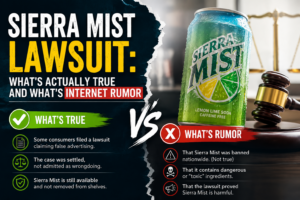
- Sierra Mist Lawsuit : What’s Actually True And What’s Internet Rumor
- Ashcroft Capital Lawsuit: Investor Concerns and Legal Challenges Explained

- Edward jones kingsview advisors lawsuit: Everything You Need to Know

- Denver Restaurant Service Charge Lawsuit: A Comprehensive Guide to Dining Fees and Worker Rights

- Texas Renaissance Festival Lawsuit: What the $60M Forced Sale Means

- Capitol Plaque Lawsuit: Why Officers Are Suing Even After Installation