
Keeping your child safe on the road is a top priority—and knowing Texas’ laws around child car and booster seats isn’t just compliance; it’s essential for safety. Whether you’re a new parent picking out a child safety seat, or a guardian ensuring your five-year-old is secure.
Who Must Use a Car Seat in Texas?
According to Texas Transportation Code § 545.412, any child under 8 years old—unless taller than 4 feet 9 inches (57 in)—must be secured in an appropriate child safety seat, even in back seats of passenger cars, SUVs, trucks, or vans designed for up to 15 people.
If your child is under 8 and < 57 in tall — a car seat or booster is required by law.
Stages of Car Seat Use: When to Move Up
Transitioning properly through seat stages is critical for both legal compliance and safety:
| Stage | Age/Size Range | Seat Type |
|---|---|---|
| Rear-Facing | Birth to ~1–2 years; up to seat’s max weight/height | Rear-facing infant/conversion seat |
| Forward-Facing | ~2–4 years; up to seat’s limits | Forward-facing seat with 5-point harness |
| Booster Seat | ~4–8 years; over 40 lbs; or height under 57 in | High-back or backless booster + lap/shoulder belt |
| Adult Seatbelt | ≥ 8 years or ≥ 57 in tall; seat belt fits properly | Adult lap-and-shoulder seat belt |
- Rear-facing seats offer the best protection until around age 2 or until the child exceeds manufacturer limits .
- Forward-facing seats are for toddlers who have outgrown rear-facing limits; typically ages 2–4 with harness.
- Boosters help align the seat belt properly until a child is tall enough (~4 ft 9 in)
- Seat belts alone should only be used once children fit properly—as confirmed by the 5-point belt fit test.
Where Should Your Child Sit?
Texas law doesn’t dictate seating position but strongly emphasizes following manufacturer instructions. Safety experts and studies (including from AAP and NHTSA) recommend children under 13 ride in the back seat, particularly since front airbags can cause severe injury.
Proper Installation is Key
Improper car seat installation is a leading cause of preventable injuries. About 50% of seats are used incorrectly . To avoid this:
- Use LATCH or seat belts properly, per manual instructions .
- Never mix LATCH and seat belts together .
- Seat angle and harness positioning must match weight/height requirements.
- Rear-facing seats must be at a 45° angle to keep airways open.
Pro tip: Schedule a free seat inspection with TxDOT or Safe Riders to ensure correct installation .
Legal Penalties & Enforcement
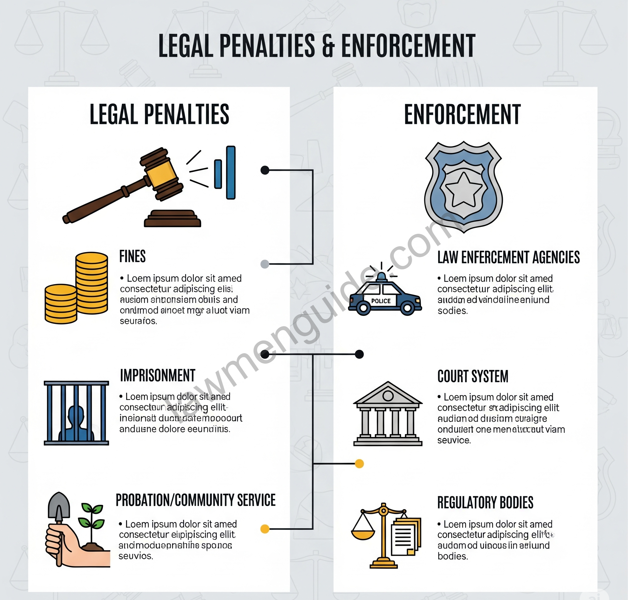
Violating car seat or seat belt laws in Texas can result in:
- Fines up to $250, plus court costs.
- Part of the annual “Click It or Ticket” campaign, with increased enforcement from May 19 to June 1, 2025.
- Seat belt use reduces crash-related fatalities by up to 60% for pickup passengers.
When Can You Skip a Booster?
Even if not legally required (after age 8 or 57 in tall), children should only move to adult seat belts when they pass the 5-point fit test:
- Sits back comfortably with knees at seat edge.
- Lap belt snug over hips.
- Shoulder belt rests on the middle of the chest and shoulder.
- Child can stay seated for entire trip.
- No discomfort or slouching allowed.
If any answer is “no,” continue booster or harness use until the fit is right.
Additional Use Cases & Exceptions
- Taxis, ride-shares, buses: All children under 8 must be properly restrained unless specifically exempt
- Registered Daycares: Required to follow the same rules when transporting children .
- RV passengers: Only seats with forward-facing, lap/shoulder belts qualify.
- Used seats after a crash: Many manufacturers recommend replacing seats involved in moderate/severe collisions .
Texas 2025 Updates and Campaigns
- Click It or Ticket 2025: TxDOT campaign focusing on car seats and seat belt enforcement with enhanced patrol across the state.
- Ongoing seat safety clinics: Recent efforts, like a Plainview clinic, distributed seats and inspected installations for children 0–8.
- Legislative push to promote ongoing awareness, ensure booster evaluation, and teach parents about height/age transition.
Best Practices for Parents
- Stay ahead of growth: Track your child’s weight, height, and age milestones.
- Check expiration & recalls: Seats have 6-year lifespans—always consult manufacturer labels .
- Use certified technicians: Get free TxDOT or Safe Riders checkups.
- Educate caregivers: Grandparents, childcare providers, and babysitters must understand Texas laws.
- Traveling across U.S.: Laws vary—check local statutes to stay compliant.
- Keep documentation: Fines and accident reports should note seat assessments for possible legal/insurance needs.
Common Parent Questions (FAQs)
Q1: When can my child ride in front seat?
Texas law doesn’t say an age; children under 13 are safest in the back seat due to airbag risk.
Q2: Are booster seats mandatory for 5 & 6 year-olds?
Yes—if under 57 in tall or <8 years old, boosters are legally required.
Q3: How often should I check seat installation?
Have seats inspected at least yearly or after a move or car seat replacement.
Q4: Can I buy used car seats?
Only if not expired, in a minor collision, undamaged, and has the manufacturer label and manual. Safer to buy new.
Q5: Do child restraints apply on school buses?
No. School buses aren’t considered passenger vehicles under Texas law.
Final Word
Compliance with Texas child car seat laws saves lives. It’s about more than avoiding fines—it’s about ensuring your child is properly protected from infancy through adolescence. Remember, each step—from rear-facing to booster to seat belt—is critical.
Take action today:
- Check your child’s current seat stage
- Schedule a free installation check
- Retail or roadside inspectors can help if you’re unsure
By staying informed and proactive, you’re giving your children their best defense on Texas roads.
- Sierra Mist Lawsuit : What’s Actually True And What’s Internet Rumor
- Ashcroft Capital Lawsuit: Investor Concerns and Legal Challenges Explained

- Edward jones kingsview advisors lawsuit: Everything You Need to Know

- Denver Restaurant Service Charge Lawsuit: A Comprehensive Guide to Dining Fees and Worker Rights

- Texas Renaissance Festival Lawsuit: What the $60M Forced Sale Means
- Capitol Plaque Lawsuit: Why Officers Are Suing Even After Installation