Hit-and-run accidents are a serious concern in Houston, Texas, where the city’s vast roadways and bustling traffic contribute to a higher incidence of such incidents. When a driver involved in an accident flees the scene without providing necessary information or assistance, it not only violates the law but also leaves victims grappling with physical injuries, emotional trauma, and financial burdens. Convicting a hit-and-run offender requires a meticulous collection of evidence to establish the facts of the case and hold the responsible party accountable.
Understanding Hit-and-Run Offenses in Texas
In Texas, a hit-and-run offense, legally termed “Failure to Stop and Render Aid” (FSRA), occurs when a driver involved in an accident resulting in injury, death, or property damage fails to:
- Immediately stop at the scene of the accident.
- Provide their name, address, vehicle registration number, and insurance information.
- Render reasonable assistance to any injured parties, including calling emergency services.
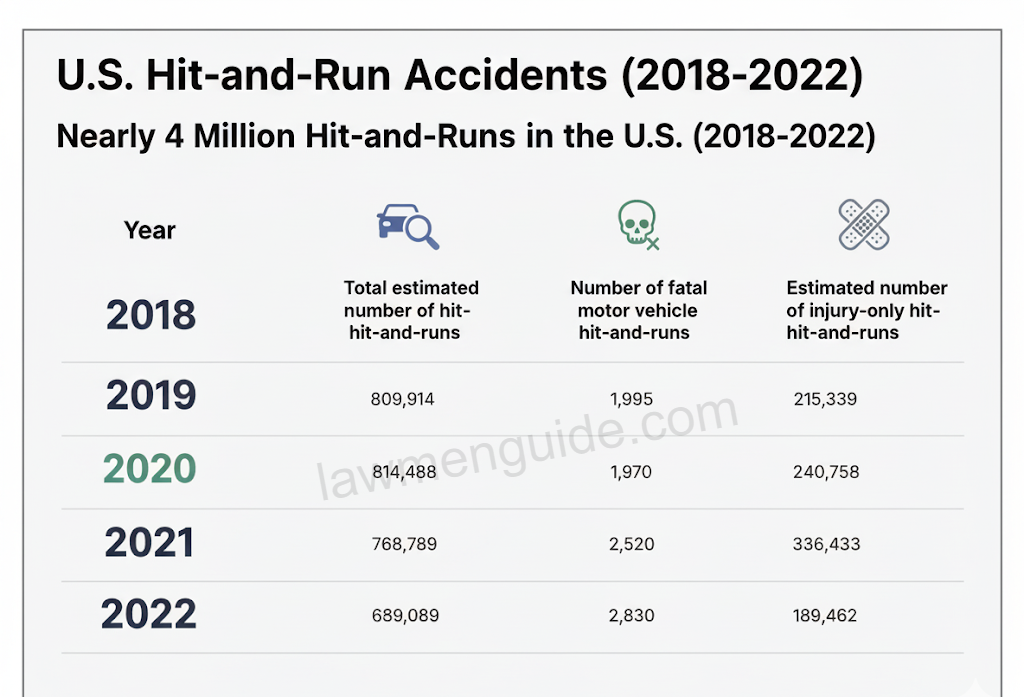
Under the Texas Transportation Code Chapter 550, penalties for hit-and-run offenses vary based on the severity of the incident.
- Accidents involving death: Second-degree felony, punishable by 2 to 20 years in prison and a fine up to $10,000.
- Accidents involving serious bodily injury: Third-degree felony, punishable by 2 to 10 years in prison and a fine up to $10,000.
- Accidents involving minor injuries: Imprisonment up to 5 years, a fine up to $5,000, or both.
- Accidents involving only property damage: Class B misdemeanor if damage is $200 or more; Class C misdemeanor if damage is less than $200.
Essential Evidence for Convicting a Hit-and-Run Offender
Building a strong case against a hit-and-run driver involves gathering various types of evidence to establish the occurrence of the accident, identify the fleeing driver, and demonstrate their culpability.
1. Eyewitness Testimonies
Eyewitness accounts can provide crucial details about the accident, such as:
- The make, model, and color of the fleeing vehicle.
- The license plate number.
- Physical description of the driver.
- The direction in which the vehicle fled.
Promptly collecting contact information from witnesses ensures their availability for statements and potential court testimony.
2. Surveillance and Traffic Camera Footage
In urban areas like Houston, numerous surveillance cameras may capture the incident, including:
- Traffic cameras at intersections.
- Security cameras from nearby businesses or residences.
- Dashcams from other vehicles.
This footage can help identify the vehicle and corroborate witness statements.
3. Physical Evidence at the Scene
Physical evidence can link the suspect vehicle to the accident, such as:calhounmeredith.com
- Debris from the fleeing vehicle (e.g., broken headlights, mirrors).
- Skid marks indicating braking patterns.
- Paint transfers on the victim’s vehicle.
Collecting and analyzing this evidence can help reconstruct the accident and identify the responsible vehicle.
4. Vehicle Damage and Forensic Analysis
Once a suspect vehicle is located, forensic experts can examine it for:
- Damage consistent with the accident.
- Paint transfer matching the victim’s vehicle.
- Biological evidence, such as blood or hair, especially in pedestrian accidents.
This analysis can provide compelling evidence linking the suspect to the scene.
5. Digital Evidence
Modern vehicles and devices can offer digital evidence, including:
- GPS data from the suspect’s vehicle or mobile phone, indicating their location at the time of the accident.
- Automatic license plate recognition (ALPR) systems capturing the vehicle’s movements.
- Social media posts or messages that may indicate involvement in the accident.
Law enforcement agencies can obtain this data through appropriate legal channels to support the investigation.
6. Medical Records and Expert Testimonies
Medical documentation of the victim’s injuries can establish the severity of the incident and the necessity for the driver to have stopped and rendered aid. Expert testimonies from accident reconstruction specialists and medical professionals can further strengthen the case by providing detailed analyses of the accident dynamics and injury causation.
Case Study: The Role of Dashcam and ALPR in Identifying a Hit-and-Run Driver
In a notable case in Conroe, Texas, an Uber driver’s dashcam footage was instrumental in identifying a hit-and-run suspect. The footage captured a truck with distinctive features fleeing the scene after fatally striking a bicyclist. Investigators utilized automatic license plate recognition (ALPR) systems and surveillance footage from nearby businesses to track down the suspect vehicle. This case underscores the importance of technological evidence in solving hit-and-run cases.
Steps to Take If You’re Involved in a Hit-and-Run Accident
- Ensure Safety: Move to a safe location if possible and check for injuries.
- Call 911: Report the accident and request medical assistance if needed.
- Document the Scene: Take photos of the accident scene, vehicle damage, and any relevant road conditions.
- Collect Witness Information: Obtain contact details from any witnesses.
- Report to Police: File an official police report, providing all gathered information.
- Notify Your Insurance Company: Inform your insurer about the accident and provide necessary documentation.
- Consult an Attorney: Seek legal advice to understand your rights and options for pursuing compensation.
Frequently Asked Questions (FAQs)
What should I do immediately after a hit-and-run accident?
Ensure your safety, call 911, document the scene, collect witness information, and report the incident to the police and your insurance company.
Can I file a claim if the hit-and-run driver is not found?
Yes. If you have uninsured motorist coverage, it may cover damages from a hit-and-run accident.
How long do I have to file a claim after a hit-and-run in Texas?
In Texas, the statute of limitations for personal injury claims is generally two years from the date of the accident.
What penalties do hit-and-run drivers face in Texas?
Penalties vary based on the severity of the incident, ranging from misdemeanors for property damage to felonies for accidents involving injury or death.
How can technology aid in identifying hit-and-run drivers?
Technological tools like dashcams, surveillance footage, GPS data, and ALPR systems can provide critical evidence to identify and locate hit-and-run drivers.
Conclusion
Convicting a hit-and-run driver in Houston, Texas, requires a comprehensive approach to evidence collection, encompassing eyewitness testimonies, physical and digital evidence, and expert analyses. Prompt action and collaboration with law enforcement and legal professionals are essential to ensure justice for victims and accountability for offenders.
- Sierra Mist Lawsuit : What’s Actually True And What’s Internet Rumor

- Ashcroft Capital Lawsuit: Investor Concerns and Legal Challenges Explained

- Edward jones kingsview advisors lawsuit: Everything You Need to Know

- Denver Restaurant Service Charge Lawsuit: A Comprehensive Guide to Dining Fees and Worker Rights

- Texas Renaissance Festival Lawsuit: What the $60M Forced Sale Means

- Capitol Plaque Lawsuit: Why Officers Are Suing Even After Installation