
Understanding Texas’s legal concept of “modified comparative fault” is crucial if you’ve been involved in a car accident. This rule affects how much compensation you can receive if you’re partially at fault. Here’s a clear and detailed explanation of what modified comparative fault means and how it could impact your car accident claim in Texas.
Definition of Modified Comparative Fault
Texas follows a “modified comparative fault” rule, also known as “proportionate responsibility.” Under this rule, you can recover damages even if you’re partially at fault for an accident, but only if you’re found to be 50% or less at fault.
If you’re 51% or more at fault, Texas law bars you from recovering any compensation.
How Modified Comparative Fault Works in Texas
Here’s how this rule works in practice:
- Determining Fault Percentage: After an accident, investigators, insurance adjusters, or a court will determine fault percentages for each involved party.
- Impact on Compensation: Your compensation is reduced according to your percentage of fault. For example, if you suffered $100,000 in damages but were found 30% at fault, you would only receive $70,000.
Example Scenario
Let’s illustrate with a practical example:
| Total Damages | Your Fault Percentage | Amount Awarded |
|---|---|---|
| $50,000 | 0% | $50,000 |
| $50,000 | 25% | $37,500 |
| $50,000 | 50% | $25,000 |
| $50,000 | 51% or more | $0 |
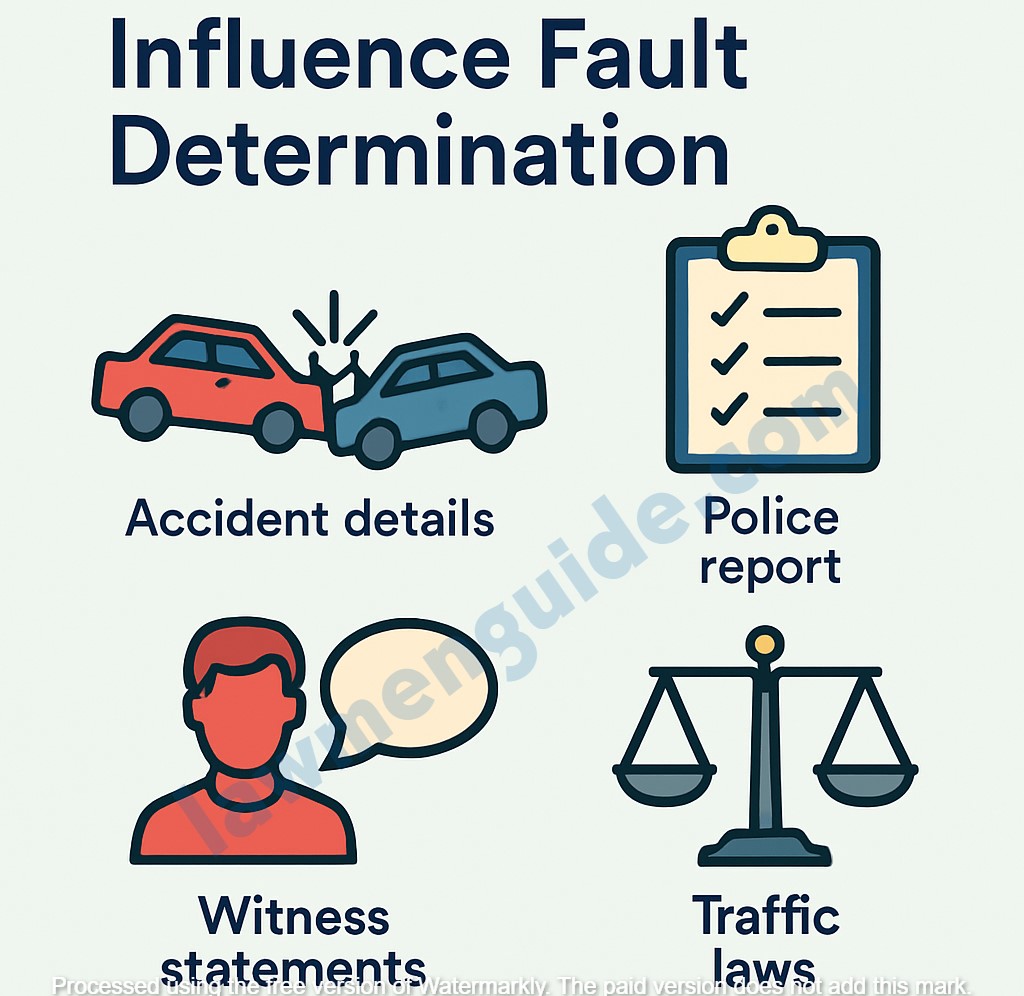
Factors That Influence Fault Determination
When determining your percentage of fault, investigators and courts consider:
- Traffic Violations: Speeding, running red lights, illegal lane changes
- Distracted Driving: Cell phone use or other distractions
- Impaired Driving: Alcohol or drug influence
- Road and Weather Conditions: Whether drivers adjusted their behavior appropriately
Protecting Your Rights Under Comparative Fault
To safeguard your rights after an accident:
- Document Evidence: Gather photos, videos, witness statements, and police reports clearly showing fault.
- Avoid Admitting Fault: Refrain from making any statements at the scene suggesting your responsibility.
- Consult an Attorney: A qualified Texas attorney can argue effectively to lower your assigned percentage of fault.
Frequently Asked Questions (FAQs)
Can I recover compensation if I am partially at fault?
Yes, but only if your fault is 50% or less. Compensation will be reduced by your fault percentage.
Who decides my fault percentage?
Typically, insurance adjusters, mediators, arbitrators, or courts assign fault percentages based on evidence.
What happens if both drivers are equally at fault?
Each driver can recover 50% of their respective damages from the other’s insurance.
Can my fault percentage be challenged?
Yes. A skilled attorney can challenge fault determinations through negotiation or litigation.
Final Thoughts
Modified comparative fault significantly influences your compensation following a Texas car accident. Understanding this rule helps you manage your claim effectively and secure fair compensation. Consulting an experienced Texas car accident attorney is recommended to navigate fault determinations and advocate strongly for your rights.
- Sierra Mist Lawsuit : What’s Actually True And What’s Internet Rumor

- Ashcroft Capital Lawsuit: Investor Concerns and Legal Challenges Explained

- Edward jones kingsview advisors lawsuit: Everything You Need to Know

- Denver Restaurant Service Charge Lawsuit: A Comprehensive Guide to Dining Fees and Worker Rights

- Texas Renaissance Festival Lawsuit: What the $60M Forced Sale Means

- Capitol Plaque Lawsuit: Why Officers Are Suing Even After Installation